


AI and Numerical Computation
By Maria Kechagia
Introduction
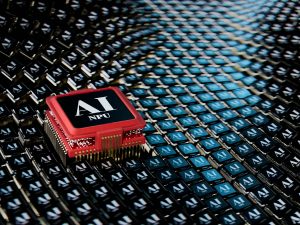
Artificial Intelligence (AI) and numerical computation are deeply intertwined fields that leverage computational methods to solve complex problems across various domains that depend on expensive numerical computations, e.g., physics, finance, transportation, and medicine. Numerical computation refers to the creation and application of algorithms to approximate solutions to mathematical problems, while AI focuses on creating intelligent systems capable of performing automated tasks, which typically require human intelligence. AI can facilitate the execution of numerical computations by executing numerical computations automatically and faster, without human intervention. AI, however, requires numerical methods to implement AI algorithms. Therefore, both AI and numerical computation are complementary fields that assist decision-making in several domains.
Numerical Methods in AI
Numerical methods are essential for implementing AI algorithms, particularly in machine learning and deep learning. These methods provide the tools for optimising models, solving systems of equations, and handling large datasets. For instance, techniques like gradient descent are fundamental for training neural networks, allowing for the adjustment of model parameters to minimise error. Furthermore, numerical methods are employed in the processing of data for dimensionality reduction techniques, including the Principal Component Analysis (PCA).
AI in Numerical Computation
AI techniques, particularly machine learning, have been applied to enhance numerical computation methods. For example, AI can be used to predict the behaviour of complex systems, reducing the need for exhaustive numerical simulations. Machine learning models can also assist in identifying patterns in data that inform the development of more efficient numerical algorithms.
Examples of Applications Across Domains
●Engineering and Physics: AI and numerical computation are critical in simulating physical systems, optimising designs, and analysing large-scale data from scientific experiments that handle a vast amount of data.
● Finance: In financial modelling, AI aids in risk assessment and predictions, while numerical methods are used to solve stochastic differential equations that model market dynamics. Therefore, both AI and numerical methods can effectively assist in fields such as risk management, algorithmic trading and portfolio optimisation.
● Healthcare: AI algorithms process medical data to assist in diagnosis and treatment planning, with numerical methods supporting the analysis of medical imaging and genetic data. Furthermore, AI and numerical computation can contribute to the development of new medicines and treatments through prediction methods and healthcare operations, e.g., in hospital resource allocation.
● Climate Science: Numerical models simulate climate systems, and along with AI that can assist in analysing vast datasets, suggest predictions on climate change and inform policy decisions.
● Retailing: AI can identify shopping patterns and offer personalised marketing and product recommendations. Furthermore, numerical methods and AI can assist in supply-chain optimisation and improve customer satisfaction.
●Computer science: AI and numerical computation techniques facilitate automated program repair, which automatically identifies potential bugs and security vulnerabilities, and suggests fixes.
Challenges
Despite their synergy, integrating AI with numerical computation presents several challenges, including the need for a vast amount of high-quality data, computational resources, and issues related to reliability, ethics, and energy efficiency.
