
The Rise of the Cybernetes-Philosopher in an Age of Seismic Change
By Michail Ploumis
The conduct of modern governance demands, now more than ever, leader-philosophers. We inhabit an environment that behaves like a living explosive, shaped—as General Frank J. Grass aptly noted in his 2016 presentation in USAWC—by three fundamental, interconnected realities: the Security Reality, the Fiscal Reality, and the Reality of Change.
The Security Reality bridges classic state defense with global human security.
On one hand, leaders face traditional, symmetric and asymmetric threats: East-West geopolitical competition, nuclear dangers, CBRN weapons, hybrid warfare, terrorism, and domestic organized crime.
On the other hand, they must confront transnational threats that endanger humanity as a whole: Artificial Intelligence, cyber defense, climate change, demographic shifts, supply chain disruptions, global financial crises, pandemics, the management of megacities, international organized crime, resource scarcity, and even the implications of extraterrestrial life.
Simultaneously, the Fiscal Reality signals greater state intervention in the market and increased taxation as economic crises loom. This reality is particularly acute in the West, which suffers from severe deindustrialization driven by skyrocketing energy costs, fragile supply chains, and an aging population.

Amidst these pressures, the Reality of Change—today a Seismic Reality of Change—dictates that our world is shifting at an explosive pace. This velocity leaves no time for stabilization; new realities become obsolete before states or international organizations can even enact policies to institutionalize them. In the volatile gaps between the old and the new, gray zones emerge. Within these zones, competing interests clash fiercely to either overturn or maintain a fragile status quo.
To navigate this volatile landscape, modern rulers must possess the agility to seamlessly transcend traditional roles, industries, and disciplines. True leadership today demands profound depth across multiple fields, coupled with a keen understanding of how these domains intersect. It requires a mastery of system thinking, critical thinking, ethical reasoning, creative thinking, thinking on time, and a high degree of AI fluency.
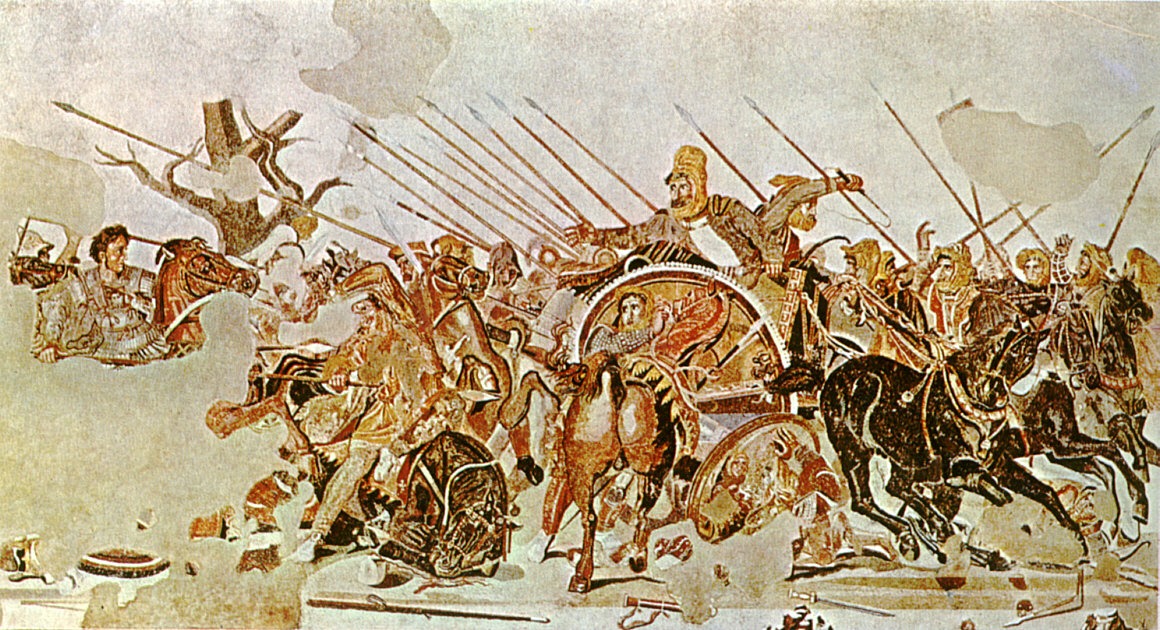
Consequently, contemporary leaders must maintain a holistic, birds-eye command over diverse bodies of knowledge, rooted deeply in philosophy—the timeless foundation of leadership exemplified by the historic Aristotle-Alexander paradigm. Within this framework, effective governance is distilled into a rigorous, five-step operational cycle:
1. Understanding the environment
2. Defining the problem
3. Envisioning the future
4. Formulating polices and strategies.
5. Simulating execution
6. Aligning resources
7. Make sustainable CHANGE
In a world where everything ultimately hinges on execution, only a mind liberated by philosophical depth and vast multidisciplinary knowledge—a true Cybernetes—can truly foresee, adapt, and lead.
Within this framework, the poetry of Constantine P. Cavafy is needed more than ever. For indeed, “But wise men perceive approaching things.”